Thể loại
Blog mới
Tại sao hiệu suất sản xuất SMT của bạn không cải thiện? Nhiều nhà sản xuất bỏ qua việc nối băng
Jun 27, 2026Khi các nhà sản xuất tìm cách cải thiện sản xuất SMT hiệu suất, phản ứng đầu tiên của họ thường là nâng cấp máy gắp đặt, tối ưu hóa chương trình sản xuất hoặc điều chỉnh lịch sản xuất. Tuy nhiên, ngay cả khi thiết bị ngày càng nhanh hơn và tiên tiến hơn, nhiều nhà máy vẫn nhận thấy hiệu suất sản xuất không đạt kỳ vọng, và các cải tiến về Hiệu suất Thiết bị Tổng thể (OEE) vẫn còn hạn chế.
Vậy, liệu máy gắp đặt có thực sự là vấn đề không?Trong nhiều trường hợp, câu trả lời là không.Một quy trình sản xuất thường bị bỏ qua là nối băng (tape splicing).
Mặc dù việc nối băng chỉ diễn ra trong quá trình thay cuộn, nhưng nó đóng vai trò quan trọng trong việc duy trì sản xuất liên tục. Khi chất lượng nối không ổn định, thời gian thay cuộn kéo dài hơn dự kiến, hoặc thao tác thủ công khác nhau giữa các công nhân vận hành, những vấn đề tưởng như nhỏ này có thể dần dần tiêu tốn thời gian sản xuất quý giá và cuối cùng làm giảm hiệu suất tổng thể của dây chuyền.
Vì sao nối băng ảnh hưởng đến hiệu suất sản xuất SMT?
Đối với các nhà sản xuất vận hành sản xuất SMT đa dạng sản phẩm, sản lượng thấp, việc thay cuộn là một phần thường xuyên trong hoạt động hằng ngày.Mỗi lần thay cuộn đều yêu cầu người vận hành tháo cuộn rỗng, chuẩn bị cuộn mới, nối băng carrier, kiểm tra mối nối và cắt băng thừa trước khi sản xuất có thể tiếp tục. Nếu bất kỳ bước nào trong số này kéo dài hơn dự kiến hoặc chất lượng mối nối không đồng đều, kết quả có thể là thời gian máy chờ, cảnh báo feeder, hoặc thậm chí gián đoạn sản xuất tạm thời.
Mặc dù một lần thay cuộn chỉ có thể mất thêm vài giây, nhưng những sự chậm trễ đó sẽ nhanh chóng tích lũy khi một dây chuyền sản xuất thực hiện hàng chục hoặc thậm chí hàng trăm lần thay cuộn mỗi ngày, làm giảm năng suất tổng thể.
Do đó, ngày càng nhiều nhà sản xuất nhận ra rằng cải thiện hiệu suất thay cuộn là một bước quan trọng để nâng cao hiệu suất sản xuất tổng thể.
Những thách thức của việc nối băng thủ công là gì?
Nối băng truyền thống phụ thuộc rất nhiều vào kinh nghiệm của người vận hành.Các người vận hành khác nhau có thể có trình độ kỹ năng, kỹ thuật căn chỉnh và thói quen thao tác khác nhau. Ngay cả khi tuân theo cùng một hướng dẫn công việc, vẫn khó có thể đạt được chất lượng nối đồng nhất mỗi lần.Ngoài ra, việc thay cuộn thường xuyên và lịch sản xuất dày đặc có thể làm tăng sự mệt mỏi của người vận hành, từ đó tiếp tục ảnh hưởng đến độ ổn định của mối nối.Đối với các nhà quản lý sản xuất, thách thức lớn nhất không phải là một lần nối thất bại hiếm hoi — mà là duy trì chất lượng nối ổn định trong suốt quá trình sản xuất liên tục.
Vì sao ngày càng nhiều nhà sản xuất đầu tư vào máy nối băng tự động SMT?
Trong những năm gần đây, ngày càng nhiều nhà sản xuất SMT đã giới thiệu Máy nối băng tự động SMT, không chỉ đơn thuần để giảm lao động thủ công, mà còn để cải thiện tính nhất quán trong sản xuất.
So với nối băng thủ công, thiết bị nối băng tự động sử dụng quy trình vận hành tiêu chuẩn hóa để cải thiện độ đồng nhất của mối nối, đồng thời giảm thiểu sai khác do thao tác của con người.
Khi sản xuất thông minh tiếp tục phát triển, các máy nối băng tự động SMT hiện đại ngày nay tích hợp định vị thị giác thông minh, phát hiện băng rỗng tự động, cắt băng tự động và tích hợp MES, biến quá trình nối băng từ một thao tác thủ công thành một quy trình sản xuất tiêu chuẩn hóa và số hóa.
Đối với các nhà sản xuất, những khả năng này không chỉ cải thiện hiệu suất thay cuộn mà còn góp phần vào sản xuất SMT ổn định và liên tục hơn.
Máy nối băng tự động L-900 của YOUNGPOOL giúp cải thiện hiệu suất sản xuất SMT như thế nào?
Để đáp ứng nhu cầu ngày càng tăng về nối băng hiệu quả và tiêu chuẩn hóa, YOUNGPOOL đã phát triển L-900 Máy nối băng tự động thông minh.L-900 được trang bị hệ thống thị giác thông minh, tự động hỗ trợ nhận diện và định vị băng carrier trong quá trình nối, giúp cải thiện độ chính xác của mối nối và giảm sai khác do căn chỉnh bằng mắt thủ công.Máy hỗ trợ băng carrier 8 mm, 12 mm, 16 mm và 24 mm, đồng thời tương thích với cả băng giấy và băng nhựa dập nổi, phù hợp với hầu hết các định dạng đóng gói linh kiện SMT phổ biến.
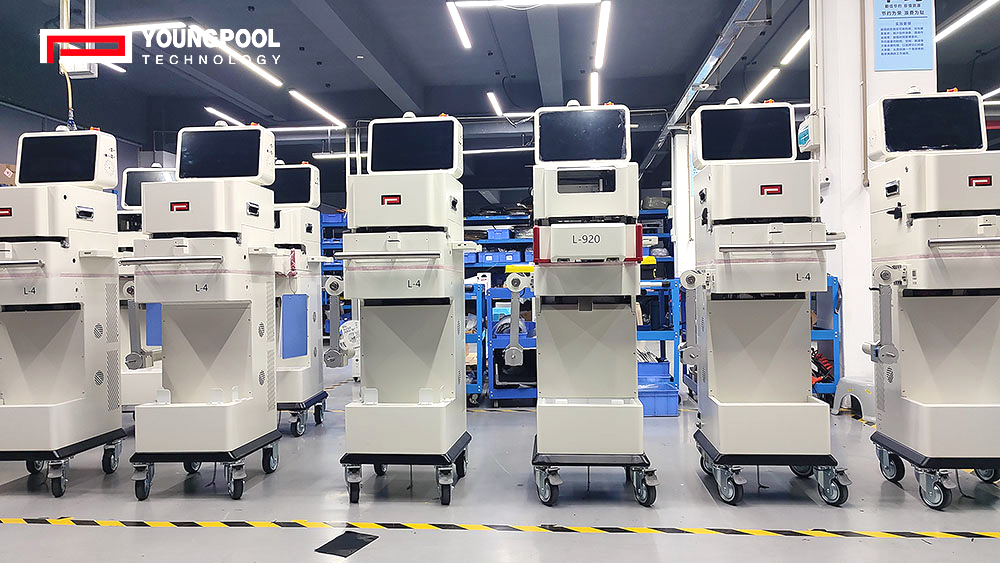
Ngoài ra, L-900 tích hợp phát hiện băng rỗng tự động, cắt băng tự động và kết nối MES, giúp giảm các thao tác thủ công lặp lại đồng thời hỗ trợ quản lý dữ liệu sản xuất và truy xuất quy trình.Đối với các dây chuyền sản xuất SMT có tần suất thay cuộn cao, L-900 không chỉ là một máy nối băng tự động SMT. Nó là một giải pháp thực tiễn để tối ưu hóa quy trình thay cuộn, nâng cao hiệu suất sản xuất và hỗ trợ sản xuất liên tục.
Mỗi cải tiến trong hiệu suất thay cuộn đều góp phần cải thiện hiệu quả sản xuất.Khi mỗi lần thay cuộn trở nên nhanh hơn và mỗi mối nối băng trở nên đồng nhất hơn, các nhà sản xuất có thể giảm thời gian không tạo giá trị, cải thiện Hiệu suất Thiết bị Tổng thể (OEE) và duy trì sản xuất SMT liên tục ổn định hơn.
Khi nhu cầu sản xuất tiếp tục tăng, việc đầu tư vào giải pháp nối băng tự động SMT phù hợp đang trở thành một chiến lược ngày càng quan trọng đối với các nhà sản xuất muốn đạt năng suất cao hơn, tính nhất quán quy trình tốt hơn và hiệu quả vận hành lâu dài.


 Mạng IPv6 được hỗ trợ